
Study in Italy from India
A practical guide for Indian students planning an English-taught bachelor’s or master’s at an Italian public university: how admission works, how the DSU scholarship can cover tuition and living costs, and how to prepare your documents and visa.
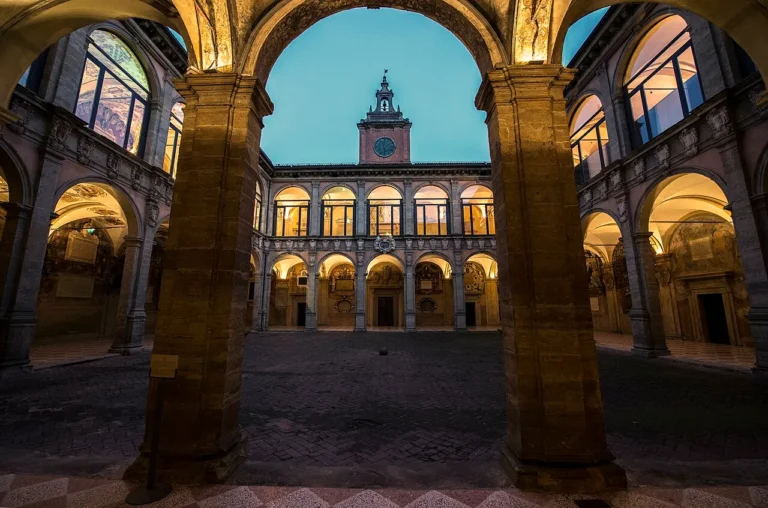
Why Indian students choose Italy
Low fees at public universities
Tuition depends on family income, and DSU scholarship winners pay no tuition at all.
Degrees taught in English
Hundreds of bachelor’s and master’s programmes in engineering, business, data science, medicine and more. Browse all courses.
A European degree
Recognised across the EU, with the option to stay and look for work after graduating.
How to study in Italy from India
Choose your course and university
Shortlist English-taught programmes and check entry requirements and deadlines in our course finder.
Apply to the university
Most universities run online applications for non-EU students between November and May. Some programmes ask for SAT, GRE or an interview.
Prepare and legalise your documents
Academic documents, English test, and CIMEA or DOV if required. See the checklist below.
Complete Universitaly pre-enrolment
After admission, submit pre-enrolment on the Universitaly portal. Your university approves it and the consulate uses it for your visa.
Apply for the DSU scholarship
Regional calls open in June–July and close between July and September. See our scholarship guide for every agency and date.
Apply for your student visa
Indian students apply for a national (D) study visa through VFS Global under the Embassy of Italy in New Delhi or the consulate that covers your state (for example Mumbai or Bangalore). Consulates say all students attend a mandatory video interview, and long-stay visas can take up to 90 days, so apply early. See our full Italy study visa from India 2027 guide for the checklist, funds and fees.
Arrive, enrol and apply for your permit of stay
Within 8 days of arriving, apply for your permesso di soggiorno, complete enrolment and register your rental contract.
Documents Indian students need
For admission and visa
- Class 12 marksheet and, for master’s, your bachelor’s degree and transcripts.
- MEA apostille on documents the university or consulate asks for.
- English test (IELTS, TOEFL, PTE or Duolingo), or an English-medium letter where the programme accepts it.
- CIMEA statement or Declaration of Value (DOV) if required by your university.
- Passport, CV, motivation letter and recommendation letters.
For the DSU scholarship
- Family composition: family certificate or notarised family affidavit.
- Income for every earning member: income certificate (Tehsildar/revenue office) or ITR.
- Property certificate with area in square metres, or a no-property affidavit.
- Bank balances and fixed deposits on 31 December of the reference year.
- All with MEA apostille and translated into Italian.
Start early. Attesting, apostilling and translating documents usually takes 4 to 8 weeks. We work with Indian students online, from your first shortlist to arrival in Italy.
Plan your next step
Questions from Indian students
Is education free in Italy for Indian students?
Not automatically, but it can be close to free. Public university fees depend on family income, and DSU scholarship winners are exempt from tuition and receive a yearly grant (at least €7,171 for students living away from home in 2026/27).
Can Indian students apply for Invest Your Talent in Italy?
Yes. India was on the list of eligible countries for 2026/27. It offers €10,800 plus a tuition waiver for selected English-taught master’s programmes. Check the new call each spring.
Do I need IELTS to study in Italy from India?
Most English-taught programmes ask for IELTS, TOEFL, PTE or Duolingo. Some accept an English-medium instruction letter. Always check the programme’s own requirements.
How long does the Italian student visa take in India?
Consulates state that long-stay visa applications can take up to 90 days, and every student attends a video interview. Book your VFS appointment as soon as your Universitaly pre-enrolment is confirmed.
Can I work while studying in Italy?
International students with a study permit can usually work part-time, up to 20 hours a week.
Planning to study in Italy from India?
Book a free profile review with the EuroPath team.